
 Lost/Found
 How It Works
 Join/Login

Cat lost after moving house? Let's know what to do!
Cat lost after moving house? Let's know what to do!

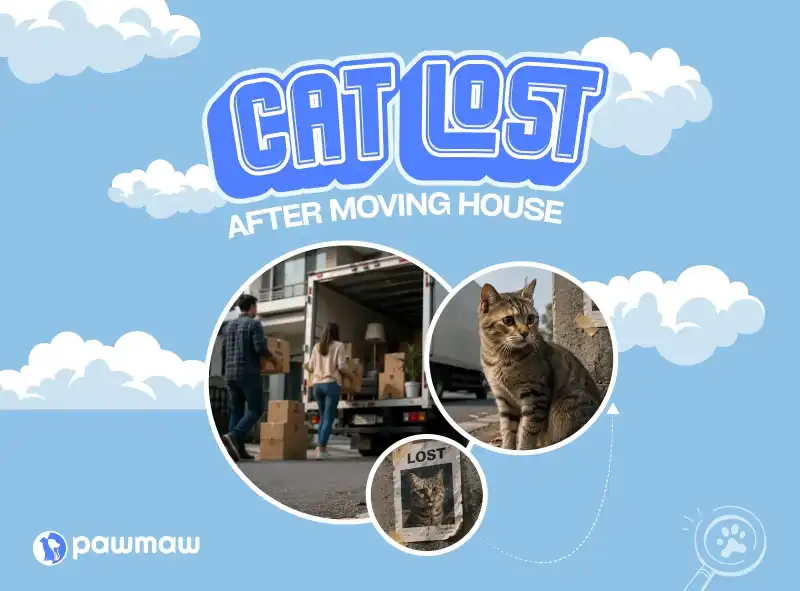
Start an immediate searching immediately from inside your home if your cat has been lost after you have moved to a new home. The faster you start the search process, the higher the percentage of getting your cat back is. Cats are not that much like dogs; they become scared, panicked, and confused easily, so when you move to a new place, your cat may also become disoriented in unfamiliar surroundings. Ultimately, your cat may hide near you, rather than go far.
Better, you start searching nearby for all possible hiding places for your cat. Search both inside and outside the home; search into your neighbour's territory, and share the missing news in related online communities and groups.
And finally, make a listing of your missing cat in a missing pet rescue group. For more help finding a missing cat, use Find Your Lost Pet.
Let's see the details now-
Why Cats Run Away After Moving House
Because of a new home! A new home never gives your cat a familiar scene suddenly. It takes a few days to a month to make the new home feel like the old home for a cat. Cats may run far because a new home doesn't seem like their territory. For cats, moving to a new place removes familiar scents, routes, sounds, and hiding places, which can cause stress and disorientation. (Cats Protection). Furthermore, if the new home is placed near the old home, your cat may even run to the old home.
Yes, it is true that by following familiar sounds, smells, routes, and visual landmarks, your cat may go back to its previous territory. According to Cats Protection, cats often do this when moving home because you have moved into the new home, okay, but your cat still does not take that home as its safe place. As it does not get any familiar scents or things from the old home into the new home, that acts as the core reason for such hiding. Though you are the only familiar subject in the new home, your cat still needs all other familiar things, places, and routes to consider it a safe place to stay.
Main reasons cats run away after moving:
- This new home feels unsafe, uncomfortable, and unfamiliar.
- Changes in things and surroundings make the cat scared.
- They do not cut the emotional connection with the older home, nor do they feel the new home is a safe place for themselves.
- They may recognise the familiar route, which can lead them to the old home.
- Especially the outdoor cat may follow the previous familiar roaming route.
Could Your Cat Be Trying to Return to Your Old Home?
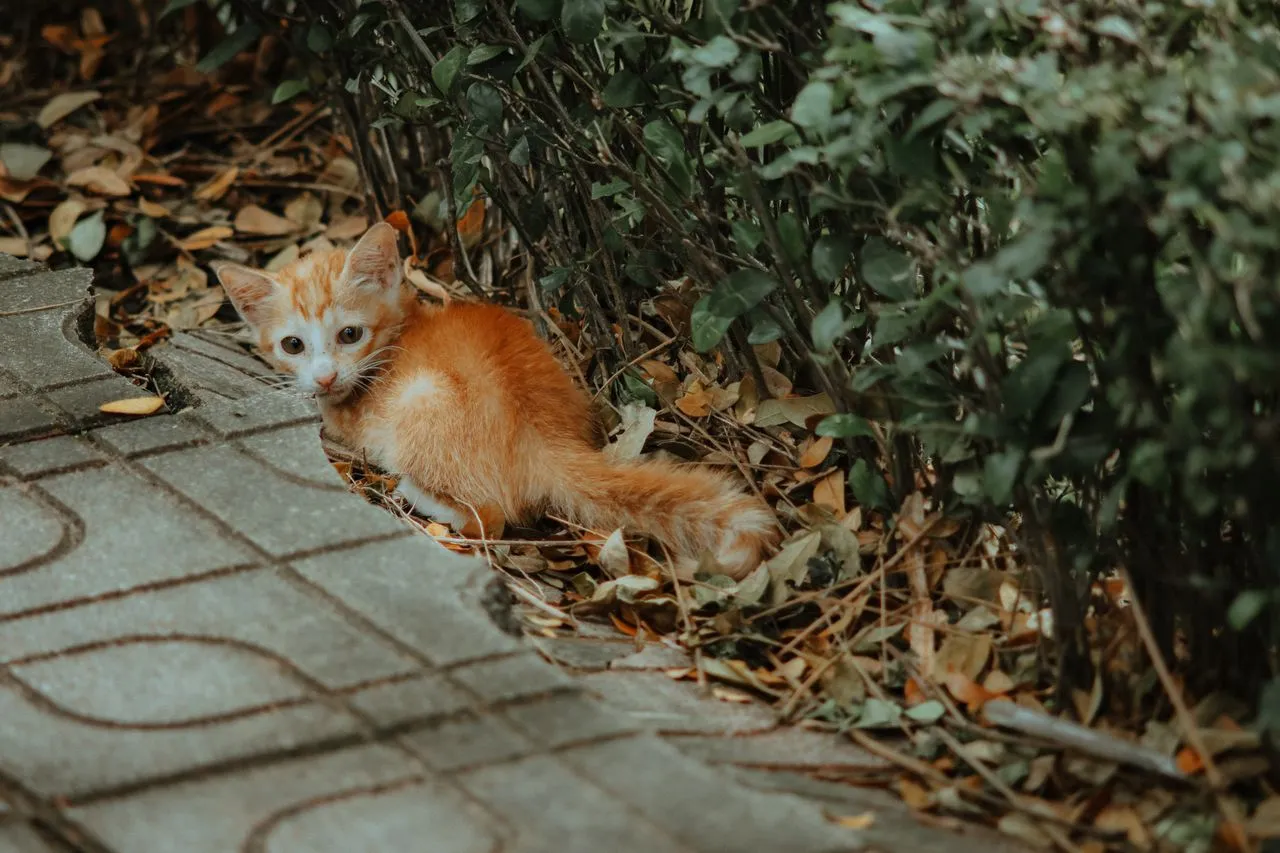
Yes, especially if your new home is very near the old home. Look, cats are very territorial animals, so when they have their familiar route to return to their old territory, they attempt to go there. The fact is that they can recognise the home and how it is staying in its new life. Maybe you are giving more time to your cat, so it does not feel lonely or unsafe to go back to its previous territory.
Again, your cat may find a few other friendly cats in the new place, so it will be less likely to try to go back to the older version. But if the same happens for its old home- meaning that in the old home it has other cat friends, and it can sense the way to the old home- certainly it will try to go there. Cat protection says that a cat can use its sensing ability, visual landmarks, and familiar sounds to reach the old home, especially when the old home is placed near the new home.
This chance (cats hiding chance) becomes higher when you allow yourself to go outside in a new home. Veterinary guidance from VCA Animal Hospitals notes that free-roaming cats may travel considerable distances to return to their previous neighborhood, particularly when the old home is nearby.
However, a cat returning to the old home or old owner doesn't indicate that it does not feel safe or comfortable in the new place. Neither does it indicate preferring the old time. The reality is it just follows the familiar scent, trail, sound, and visual landmark; that's it. So, better to keep your cat indoors in the new place at least for 2 to 3 weeks; slowly, it will become habituated to this new home and will start to feel safer here than the previous territory.
How to Find a Missing Cat After Moving House
You may have seen in our one-session about how to find a lost cat; we have discussed in detail how you can get back your lost cat. Well, though we have covered the details, don't misjudge why we are repeating it. Let's be more specific here. Also let make it clear about one thing! We cannot guarantee your and your cat’s reunion 100 percent directly. Look, many factors are related that can directly impact your lost cat getting back, so let's try our hearts and souls.
Stay Calm and Search the New Home Thoroughly
After moving house, your cat totally gets a new home. A new home means a totally new area. So your cat can easily get stressed, overwhelmed, and sometimes sentimental (nostalgic). So if you don't find this new home, first search inside your new home. Especially search behind the furniture, appliances, and boxes. Call gently by your cat's name. Carefully listen for any tiny movement or sound coming from any possible hiding spot.
Check Closets, Cabinets, and Hidden Spaces
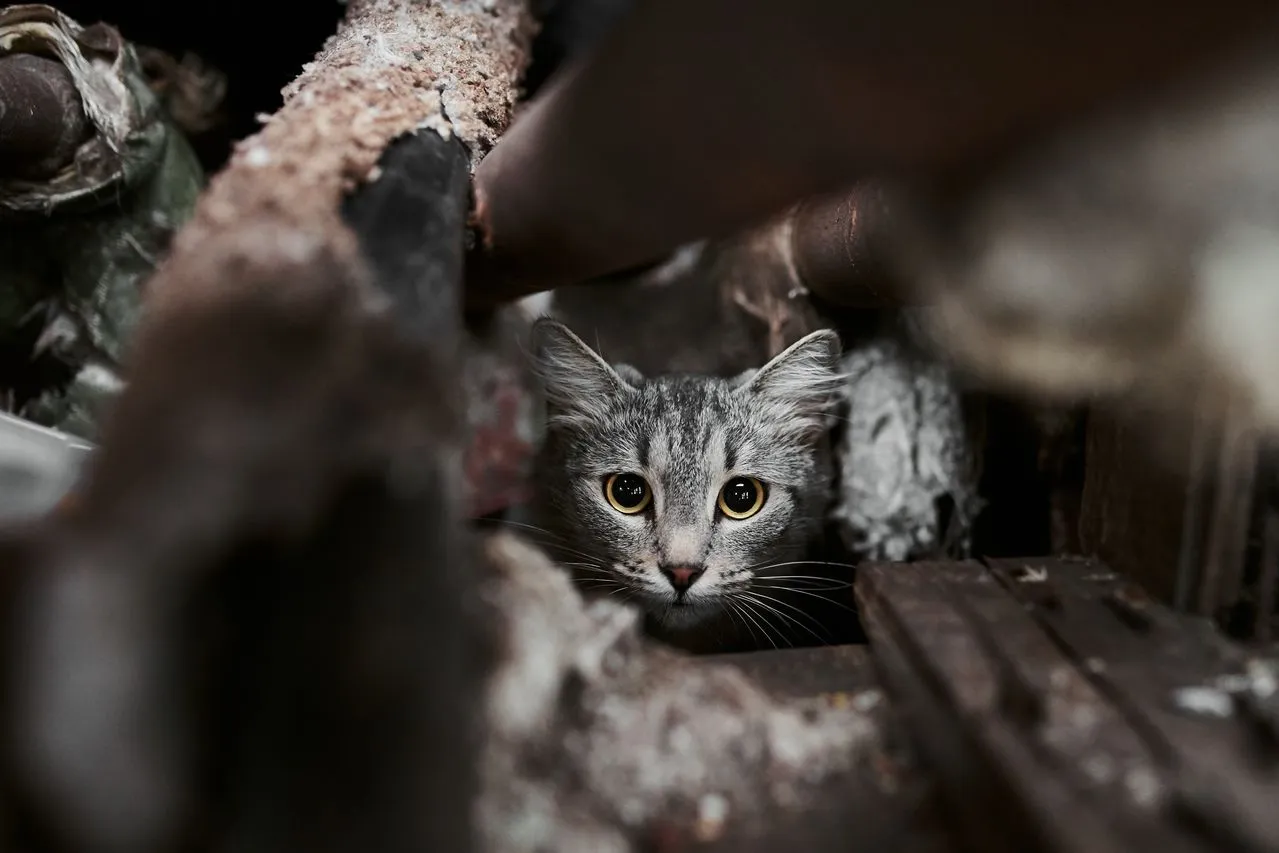
Especially when you ensure your cat stays inside in the first few days at the new home. If you still do not see your cat nearby, the possibility is that your cat is hiding behind the closet, cabinets, or other tiny hidden spaces. Give a thorough check inside your cabinets, closets, drawers, or other such places. A stressed or scared cat may also hide behind curtains, under beds, inside boxes, and beneath furniture. So search those places well before you start searching outside of your home. Here, one thing is important to keep in mind: a scared dog may intentionally become mute even if you call it again and again.
Search the Yard and Nearby Hiding Spots
Once you're done searching inside your new home and still don't find any trace of your cat, search near your home. I mean search the yard and nearby hiding spots well. Search under cars, porches, bushes, sheds, stairways, and other sheltered areas. Search at a quiet time. Especially at night or in the morning, during these periods a frightened cat may feel safer moving around.
Use Familiar Scents to Encourage Your Cat Home
Place your cat's familiar things that can release a familiar scent for your cat. You can use your cat’s bedding or a recently worn piece of clothing near your home’s entry. You can also keep your cat’s favourite food, toys, or other items near your home’s entry. Whatever you are going to keep, keep it in small amounts; large amounts of any food items may attract other animals there. When you place those items, your cat feels encouraged to go back home.
Consider Using a Humane Trap
This is the last option you should use when you are sure your cat is hiding nearby you, but is not coming out for any reason. I mean, your cat may be so scared and confused that, though you are present nearby, your cat still is not coming out. So use the humane trap near your cat's last location, where your cat can strongly scent the food you are using as bait. Monitor the trap regularly and follow local animal-welfare guidance for safe use.
How to Prevent Your Cat From Running Away After Moving
To prevent your cat from getting lost in your new home, keep it indoors for a certain time and make it feel safe inside. A certain time means until it becomes familiar and comfortable with the new home and the nearby area. However, slowly try to introduce the new environment; give it plenty of time. Also use ID tags, a microchip, and GPS tracking to help find your cat if it escapes.
Keep Your Cat Indoors for the Recommended Adjustment Period
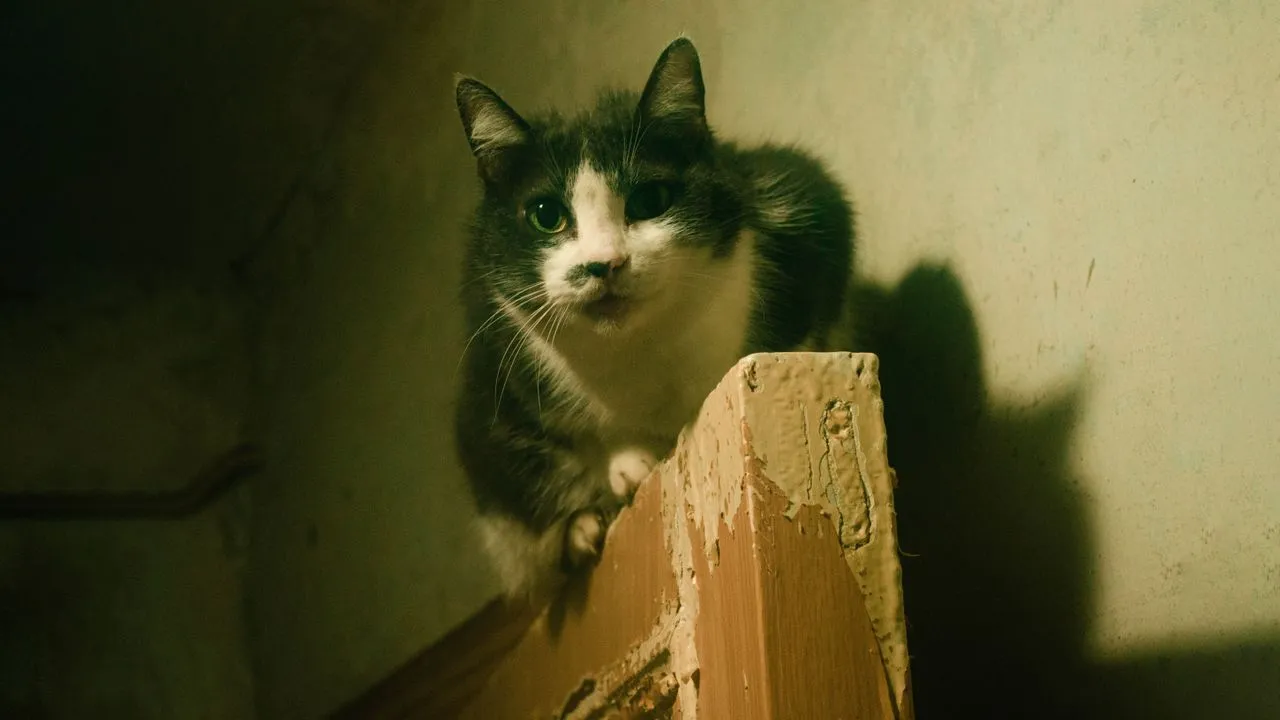
To prevent your cat from running away after moving to your new home, you should keep your cat indoors for the first few days. Especially in the first 2-4 weeks, it is more important to keep your cat totally indoors at the new home. This time will slowly make your cat comfortable at the new home and will let you become familiar with the new environment as well.
Introduce the New Home Gradually
Be slow and gentle with your cat at the new home. Also, never be in a hurry to make your cat normal and familiar with the new place. Cats are not like humans; they need a long time to adjust to a new place. Let your cat get familiar with one room slowly. Gradually introduce the whole home.
Create a Dedicated Safe Room
You can also create a dedicated safe room for your cat. Make the room quiet, keep your cat's bedding, litter box, food, and toys. So that when your cat feels stressed can go into that safe place and take rest for a while.
Use ID Tags, a Microchip, and GPS Tracking
Whether your cat gets lost in a new home or in a familiar place, you can take some preventive action so that if your cat goes missing, you can trace where it is. Use ID tags, a microchip(with your updated contact info), and a GPS tracker on your cat's collar tag. Microchipping helps identify your cat if it is found. A GPS tracker can help you locate your cat if it escapes.
Conclusion
Moving to a new home means moving to a totally new environment. And this new shift can overwhelm your cat; it can lose itself! If your cat goes missing after moving house, don't panic just after you have noticed this loss! Instead, search well inside your home at first. Then go to the nearby area and gradually to your neighbour's territory.
Take some preventive action so that you don't have to lose your cat. Keep your cat indoors for the first 2-3 weeks until it becomes familiar with the new environment. Slowly introduce the new home, nearby areas, and neighbours to your cat one by one. During this adjustment time, update your cat's identification details as well.
The main thing is how you care for your cat! Just never force your cat to feel alone, whether you are in a new home or at the old one!
References
- Cats Protection. (n.d.). Moving house with a cat. https://www.cats.org.uk/help-and-advice/home-and-environment/moving-home-with-your-cat
- Cats Protection. (n.d.). Keeping cats safe outside. https://www.cats.org.uk/help-and-advice/home-and-environment/keeping-cats-safe-outside
- Cats Protection. (n.d.). Cat garden safety guide: Outdoor tips & hazards. https://www.cats.org.uk/help-and-advice/home-and-environment/garden-and-outdoors
- Cats Protection. (n.d.). Bringing a cat home. https://www.cats.org.uk/help-and-advice/home-and-environment/bringing-a-cat-home
- Humane World for Animals. (n.d.). How to find a lost cat. https://www.humaneworld.org/en/resources/how-find-lost-cat
- RSPCA. (n.d.). Creating a good home for cats. https://www.rspca.org.uk/adviceandwelfare/pets/cats/environment

Categories
- All Post

- Lost & Found Pet Tips
- Pet Behavior
- Pet Training
- Pet Food
- Pet Health
- Pet Care
- Pet Safety
- Others

 Pawmaw


Get Your Pet Back Home
Over 10 million dogs and cats are lost or stolen every year. You can report your missing pets with PawMaw.



 Pawmaw
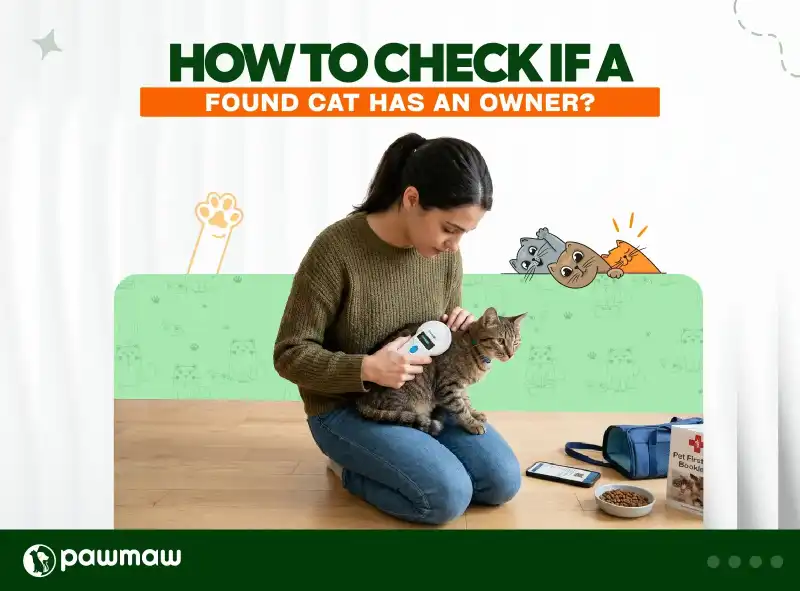
How to Check If a Found Cat Has an Owner
Learn how to check for an owner using ID tags, microchips, local shelters, and online resources. Follow simple steps to help reunite a lost cat with i...
 Pawmaw
How to Check If a Found Dog Has an Owner
Learn how to check for an owner using ID tags, microchips, local shelters, and online resources. Follow simple steps to help reunite a lost dog with i...
 Pawmaw
How to Search Shelters for a Lost Pet!
Contact nearby animal shelters, share your pet’s photo and details, check intake records, and visit regularly. Expand your search to neighboring shelt...
Share:


Leave a Reply
Get Your Pet Back Home
Over 10 million dogs and cats are lost or stolen every year. You can report your missing pets with PawMaw. We can notify thousands nearby within a minute.


PawMaw is actively helping to search for your lost pets in your local area. Report your lost/found pets here and send a free alert instantly.