
 Lost/Found
 How It Works
 Join/Login

Dog Lost After Moving House? What to Do?
Dog Lost After Moving House? What to Do?

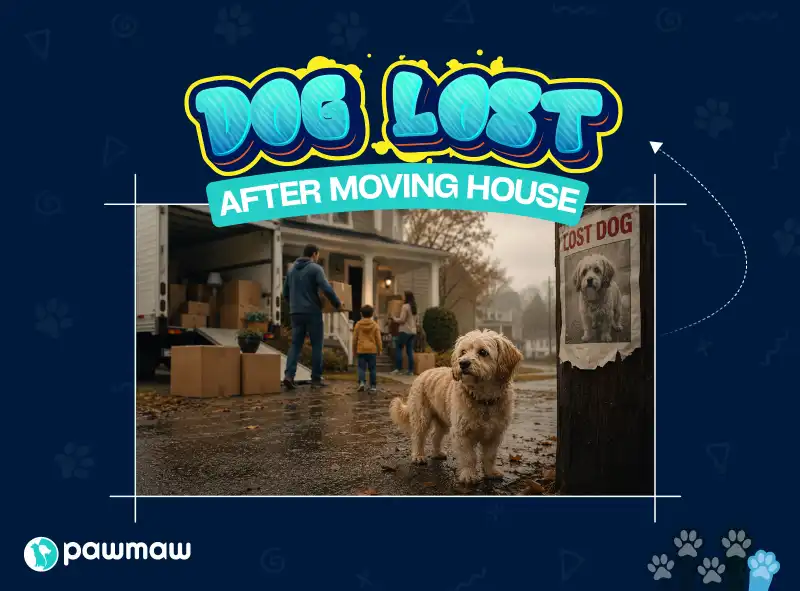
Even healthy, friendly dogs can feel lonely after moving to a new house. If your dog is also lost after your move, do not sit idle thinking your dog will return soon. Start searching in your nearby area. You can also report your missing dog through a lost pet service so more people can help watch for it.
Dogs at a new place could be scared, confused, and stressed. So it may try to hide in a nearby place or try to find the old way home. Start searching nearby, and then spread your search to nearby possible routes, your dog’s familiar spaces, places connected to your old home, etc.
Let's read the details of what you can do when your dog goes missing at your new home.
Why Dogs Run Away After Moving House
When you move into a new home, you also miss your old home, right? So, like you, your dog also misses the old home. As your log already left its friends, familiar spots, and neighbours at the old place, it needs time to adjust well to the new place.
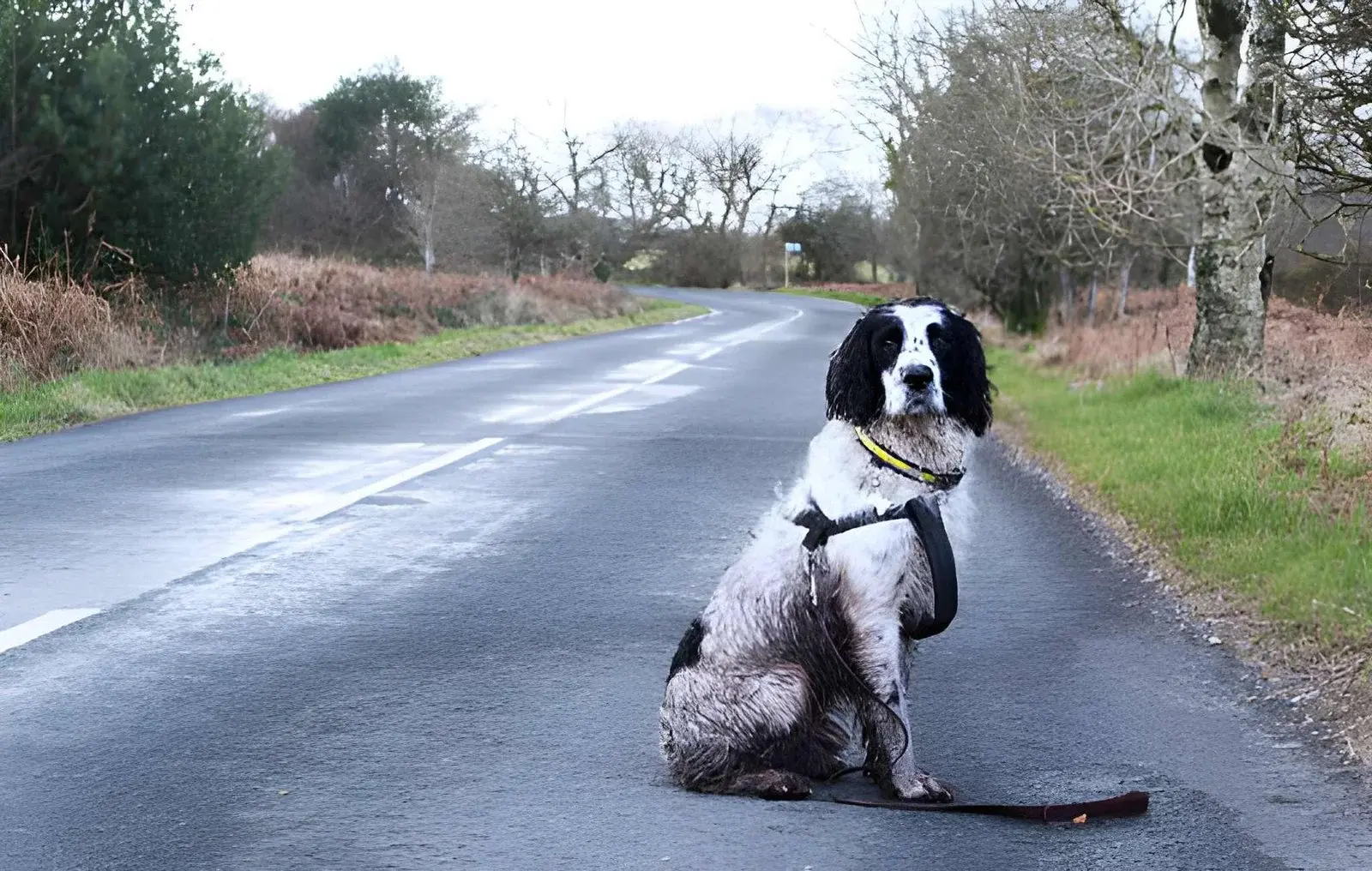
As humans, we can take all new things in very easily. But dogs cannot do this. Dogs feel scared, stressed, and confused in the new place and new surroundings. The possible common reasons why your dog runs away after moving into a new home are-
Your dog feels unfamiliar in the new space: In the new place, everything is new and unfamiliar to your dog. The new street, new visuals, new smells, new sounds, new surroundings, new people and animals- all these make your dog scared and hugely confused. When the stress and fear become extreme in your dog, it tries to run away.
Stress, anxiety, and nervousness: Moving into a totally new place can easily make your dog feel nervous. As any new change directly impacts pets' daily routine, so make them nervous and stressed.
Open doors and gates: In the first few weeks, you must keep your dog indoors. So by chance, if your dog finds out the exit way is open, it normally feels attracted to go outside and find a way to the old familiar route.
Following Familiar smells: Dogs always like to stay in the familiar smell zone. So when in the new home your dog does not get the familiar smell, it tries to find the familiar smell and route outside.
Want to get into the old home: Some dogs miss their old home and old familiar area so much, they cannot stay well in the new home. So they eagerly run out to find the way back to the older one.
Could Your Dog Be Heading Back to Your Old Home?
Yes, your dog also can be heading back to your old home if it is situated near your new area. Dogs can remember the familiar smells, sounds, and visuals, so in that case, if there is no change in the familiar route due to extreme weather changes or disaster, the dog can try to move in the old direction.
However, if you are not finding your dog at the new home, that doesn't necessarily tell you that it has gone to the old home. As your dog is scared, panicked, stressed, and confused, instead of going back to the old home, it can hide under cars, behind buildings, in yards, or in other quiet places.
Start searching around your new home first, then gradually expand the search toward your old neighborhood. If your previous home is far away, your dog may have become lost somewhere along the route and hidden in a quiet place. When you search for a lost dog, check possible hiding spots along the way and ask neighbors, delivery workers, security guards, and nearby businesses to watch for your dog.
How to Find a Missing Dog After Moving House?
You already know what you can do when you realize your dog went missing after moving to your new home. First, be sure your dog has really gone missing. Search the nearby home zone and ask your neighbours. Though your new neighbours are also new to your dog, your dog may still hide in any possible hiding spots inside your neighbour's territory.
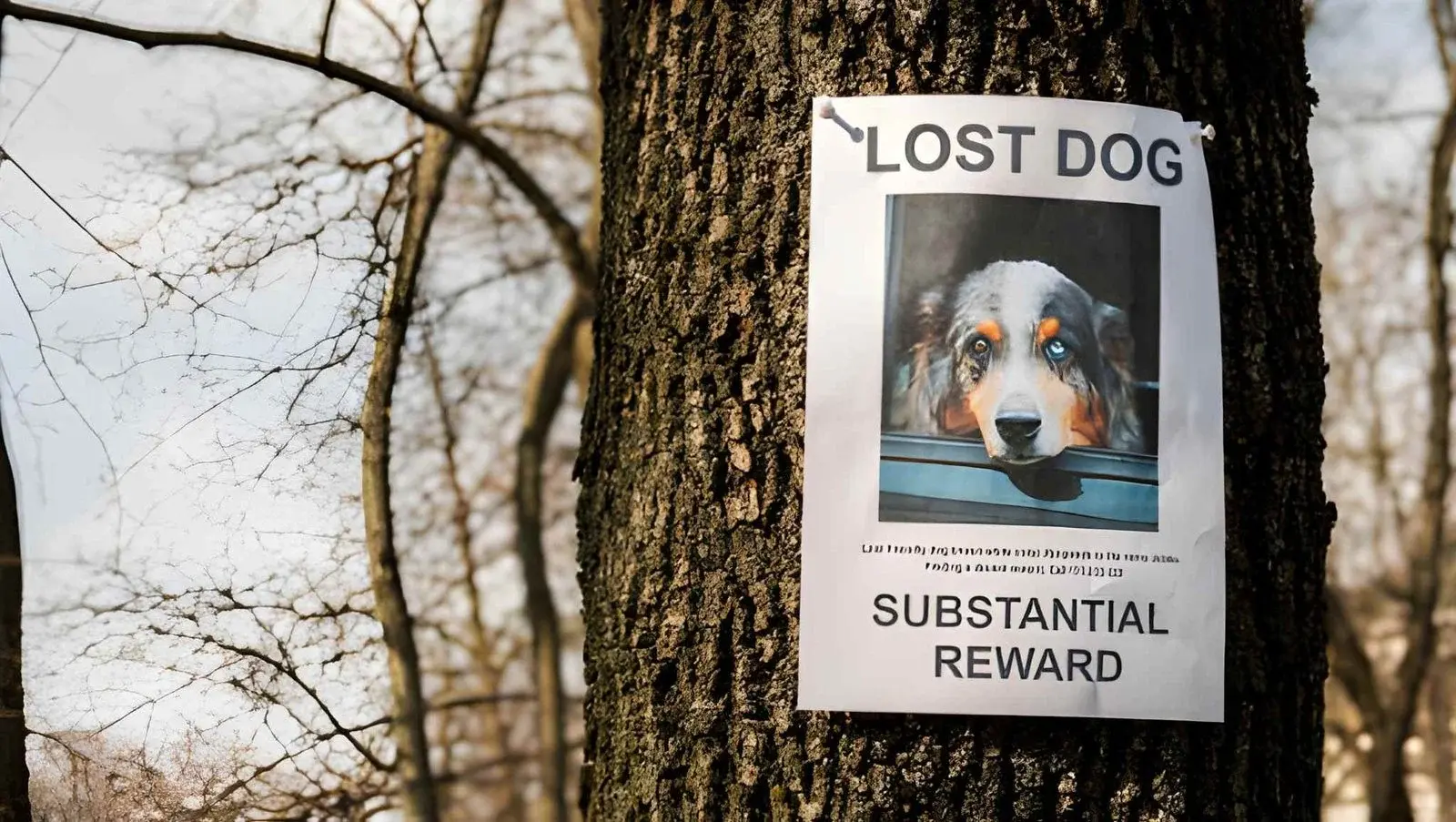
A study of lost pets in the United States found that “93% of lost dogs were recovered, with searching the neighborhood being one of the most common ways dogs were found.” So stop being panicked, and ask your neighbours about their territory well.
Search Your New Home Thoroughly
Though dogs are not as tiny as cats, the chances of hiding inside the home and you can't see them is low; still search inside the home well before you search outside. Some dogs come in small sizes with a calm nature, so they may hide inside your bedrooms, bathrooms, closets, under furniture, behind appliances, and other quiet areas. A frightened dog rarely will respond to you, even if you are calling it again and again.
Also keep the doors and windows closed while you are searching. At searching time, keep your dog’s toys, treat, with you, call it gently, and try to hear if there is any sound coming from it.
Check the Yard, Garage, and Nearby Streets
Once you finish searching inside your home and your dog is still missing, do not assume it has gone too far from you. You can still check the yard, garage, and your nearby streets where your dog may hide somehow. Check the parks, gardens, alleys, parking areas, and streets near your home. Also ask your neighbours, nearby shops, and delivery men about your dog. Send them a clear photo of your dog at the time of your asking.
Humane World for Animals recommends starting such a search for your missing dog. This association also advises the owner not to scold or chase when they see their missing dog. Because this arrogant behaviour can force the dog to go even further.
And if your old home is situated nearby, you need to check the route and all possible hiding places along the route between the two homes.
Share Your Dog on Local Online Communities
Facebook, Instagram, or any other social media could be a great place to find your missing dog. Though you are in a new home, I mean new territory, you can still post in these new local communities and online pet rescue groups.
You can also use Facebook to find a lost pet by posting in local community groups, neighborhood groups, and lost-and-found pet groups. Include a clear recent photo, your dog's name, breed, color, identifying marks, last known location, and your contact information.
At the end, also gently tell people to be gentle with the dog if they see it. Humane World for Animals also suggests using social media and missing-pet registries to spread the missing news. The more you spread, the more chances to catch your missing dog.
Consider Humane Trapping for Frightened Dogs
If your lost dog won't come to you, avoid chasing or repeatedly approaching it. Use food, familiar scents, and a calm environment to build trust, and consider a humane trap with guidance from a local rescue or animal control organization when necessary.
So place food and water in a safe place and in a place where your dog can smell it. Also, place a motion-activated camera to see whether your dog is visiting or not, and once you see your dog is coming to you for food and water, you can use the humane trap then.
Humane World for Animals recommends “monitoring the trap closely and checking with local animal control or rescue groups about borrowing one.” However, do not chase your dog or scold it. If your dog is extremely scared, injured, or you can't handle it after more tries, better to seek help from a local animal welfare organization.
Use Technology to Track Your Dog
Technology helps you get your missing dog within seconds. When you add a microchip to your dog’s collar ID and if you keep all updated contact info there, when people see your dog moving here and there, they can easily scan the chip and make a direct call to you.
However, one thing can help you more to get your missing dog, and that is a GPS tracker.
A microchip only works when people find your dog and scan the chip.
Don't ever think of a microchip as a GPS tracker. But if your dog has a tracker, within a few seconds you can see the current location of your dog on your mobile. Here is one mandatory thing: the battery status. So do not delay; do not wait till the battery goes dead. You can also use security cameras, doorbell cameras, and motion-activated cameras to look for sightings. GPS trackers, microchips, security cameras, and other technology used to locate lost pets can support your search in different ways. A GPS tracker may provide location data, while a microchip helps identify your dog after someone finds and scans it.
Report Your Dog Missing
Though at the introduction we already said about it. When you realise your dog is missing, you should start searching for your dog. Well, along with that, you need to report your dog missing to your area's animal shelters, animal control agencies, veterinary clinics, and rescue organizations as soon as possible. Better yet,you meet them and provide the details of your dog (dog's name, recent photo, body identification speciality, breed type, fur colour, last known location, and so on). Also tell them about your dog's microchip number and your recent running contract number.
Contact them back frequently until you get your dog back.
Keep Searching Even If You Do Not Find Your Dog Immediately
Don't be frustrated, don't be hopeless. Even if you have taken all possible actions to find your dog and have searched until you've found it. Keep checking nearby areas, shelters, veterinary clinics, online groups, and new sightings even if your dog does not return immediately. Understanding the lost dog survival rate can also help you understand why continuing the search matters.
A 2010 U.S. study found that “93% of lost dogs were eventually recovered. The study also found that neighborhood searches and dogs returning on their own were among the most common recovery methods.”
Common Mistakes to Avoid
Besides immediately taking action to find your dog, you also have to cautiously avoid a few common mistakes to make the searching process efficient. Don't rely only on your dog. Don't assume your dog knows you, so it will return safely one day! Don't forget to share the missing news with your friends, neighbours, and community people. Lastly, don't forget to make a missing dog report to your nearby dog rescue group.
Waiting Too Long to Begin Searching
Do not wait too long, relying on the fact that your dog can smell everything, so it will return soon. Just when you realise your dog is missing, start searching from your home and nearby zone immediately. When you take early action, the chance of its return increases.
Chasing a Frightened Dog
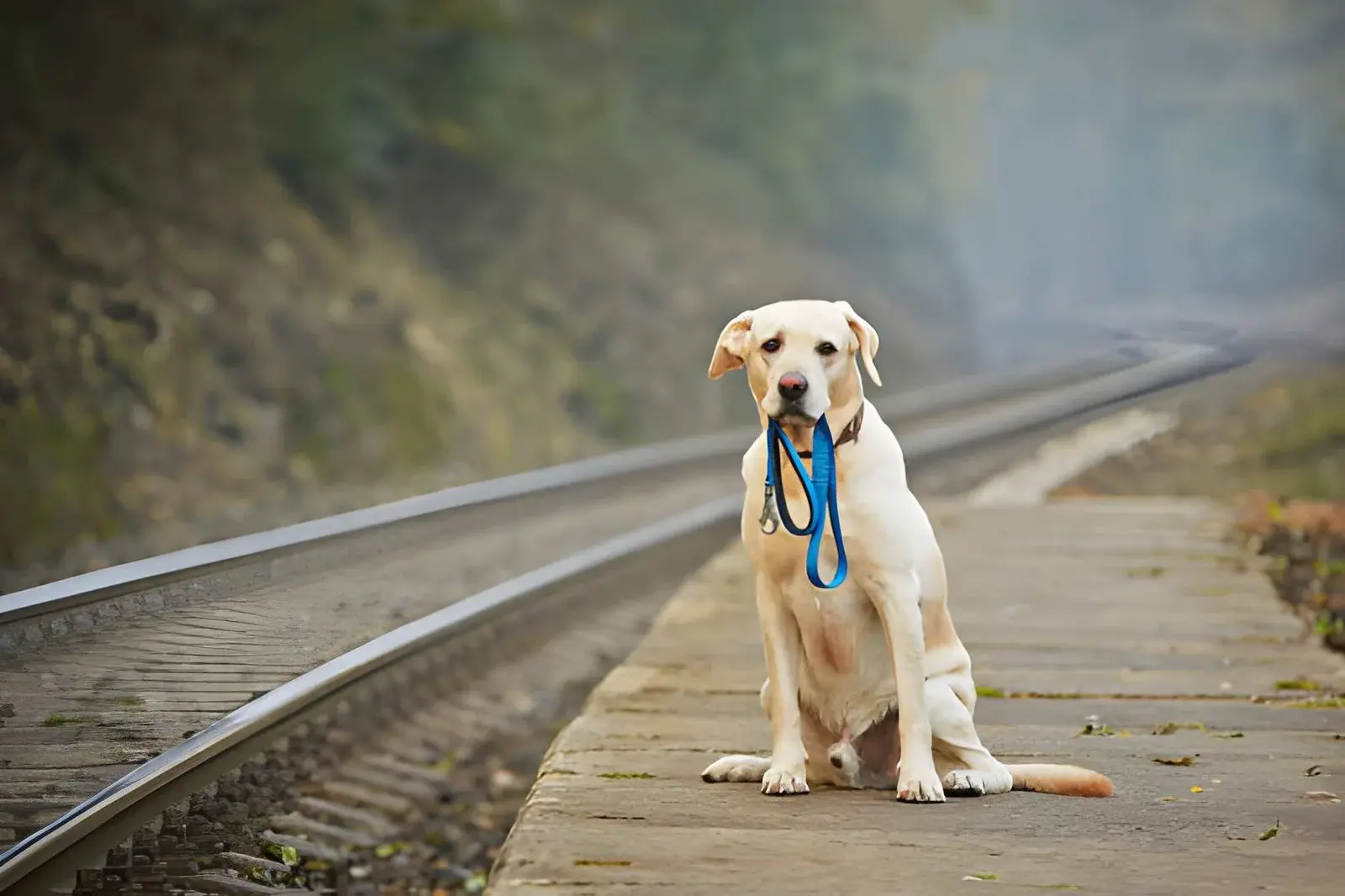
Never chase or scold a frightened dog. It's a huge mistake that can lead your dog to run even further from you. When you see your dog, don't even try to run after it. Just stand aside and gently call it by its name. Let your dog come to you instead of you coming to your dog. Stay calm and gentle, offer your dog food and toys with its familiar smell and sound.
Assuming Your Dog Knows the New Neighborhood
You are in a new area, so if you think your dog has gone to your neighbour's area, it may not always be true. For your dog, the neighbours are new also; if they lose the familiar route to the old home, it may happen that your dog hides in a possible hiding spot inside your neighbour's zone. I mean, your dog rarely can hide in a new neighbour's zone until it loses the familiar track and moves here and there!
Ignoring Reports From Neighbors
Even if they are new, they might have seen your dog and informed you. Instead of neglecting their news, you should focus on what they are saying. Follow their reports and check the security camera to find out which route it is actually following. Take every possible sighting seriously. Check their recommended place well.
Forgetting to Check Your Previous Neighborhood
Your old home and old neighbours are one of the most possible places where your dog can still hide. Try to remember how your old neighbours handled your dog. Were they good and friendly with your dog? If so, then you have a chance that your dog is trying to go there. When you are trying to check the old home route, also check the old home well, plus the neighbours' territory. Ask your neighbours to check all possible hiding places in their zone.
Conclusion
If your dog is lost after moving house, the first thing you should do is start searching from your home, rooftop, backyard, garage, neighbours' territory, and nearby roads, parks, markets, and nearby areas. Gradually widen your search area to your previous home and your neighbours' area.
Share clear photos, alert residents, and report your dog missing to nearby shelters and rescue groups. Check every text and comment to get updates about new sightings. Most importantly, when you see your dog, never scold, chase, or shout at it.
This continuous keep going with the searching can improve your chances of bringing your dog home safely.
References
- Humane World for Animals. How to Find a Lost Dog.
- Lord, L. K., et al. (2010). Frequency of lost dogs and cats in the United States and the methods used to locate them. Preventive Veterinary Medicine.
- American Veterinary Medical Association. Microchipping: FAQs for Pet Owners.
- Humane World for Animals. How a Microchip Can Keep You and Your Pet Together.

Categories
- All Post

- Lost & Found Pet Tips
- Pet Behavior
- Pet Training
- Pet Food
- Pet Health
- Pet Care
- Pet Safety
- Others

 Pawmaw
Get Your Pet Back Home
Over 10 million dogs and cats are lost or stolen every year. You can report your missing pets with PawMaw.



 Pawmaw
How to Check If a Found Cat Has an Owner
Learn how to check for an owner using ID tags, microchips, local shelters, and online resources. Follow simple steps to help reunite a lost cat with i...
 Pawmaw
How to Check If a Found Dog Has an Owner
Learn how to check for an owner using ID tags, microchips, local shelters, and online resources. Follow simple steps to help reunite a lost dog with i...
 Pawmaw
How to Search Shelters for a Lost Pet!
Contact nearby animal shelters, share your pet’s photo and details, check intake records, and visit regularly. Expand your search to neighboring shelt...
Share:


Leave a Reply
Get Your Pet Back Home
Over 10 million dogs and cats are lost or stolen every year. You can report your missing pets with PawMaw. We can notify thousands nearby within a minute.


PawMaw is actively helping to search for your lost pets in your local area. Report your lost/found pets here and send a free alert instantly.