
 Lost/Found
 How It Works
 Join/Login

What Are Military Dog Breeds: Types and Roles
What Are Military Dog Breeds: Types and Roles


Military dogs have worked alongside humans for thousands of years, evolving from ancient guard and combat roles into highly trained partners in modern defense operations. Today, these dogs use their intelligence, endurance, powerful sense of smell, and ability to remain focused under pressure to support soldiers in tasks such as patrol, tracking, explosive detection, and search and rescue.
But what exactly makes a dog suitable for military service? Not every dog can handle the demanding physical, mental, and behavioral requirements of military work. This guide explores what military dog breeds are, the different types of military working dogs, the qualities that make them effective, how they are trained and cared for, their roles in the field, and the challenges they face during service.
History of Military Dogs
It's not surprising that humans and dogs have been connected for thousands of years, even as war has changed over time. Dogs were friends to humans, especially in ancient times. Places like Egypt, Greece, and Rome are good examples.
In civilizations such as Ancient Egypt, Ancient Greece, and the Roman Empire, dogs were used for many things, like guarding, sending messages, and even fighting.
These early war dogs were often given armor. Trained to charge at enemy lines. During World War I, dogs played a role. At that time, dogs were well-prepared to catch enemy formations. In war, dogs were used for communication and finding people who were hurt.
They carried messages across areas where human messengers could not go and helped find wounded soldiers in no-man’s land. By World War II, military dog programs had become more advanced.
In the United States, the Dogs for Defense program started in 1942. Collected around 20,000 civilian dogs for military service.
These dogs were trained for tasks:
- Guard duty.
- Finding mines and explosives.
- Search and rescue operations.
- Battlefield patrol missions.
Nowadays, the use of dogs has increased in modern defence organisations because they are really capable. Today’s military dogs are equipped with gear, advanced communication systems, and even cameras, making them important in high-tech warfare.
Organisations like the United States Armed Forces and other global militaries have developed training systems for these dogs. Military dogs are trained to do things and are very helpful. Military dogs are used a lot in the United States Armed Forces.
What Are Military Dog Breeds?
The term military dog does not mean any dog or mixed breed that can do some work. It is actually talking about breeds that have the strength, intelligence, and good behavior needed for tough military jobs.
Military dogs are trained to work with soldiers in places, helping with things like finding bombs, patrolling, tracking, search and rescue, and keeping people safe. They do a lot more than being friends. Military dogs are very important for the military.
Some breeds are born to be good at work, but that does not mean every dog from those breeds can be a military dog. In fact, a few dogs, from those breeds can pass the tough tests, behavior checks, and hard training that military dogs need to go through.
Their feature at a glance:
- Intelligence and trainability.
- High endurance and physical fitness.
- Loyalty, I mean- a strong bond with handlers, ensuring teamwork and trust
- Strong scent detection ability.
- Emotional stability under stress.
- Confidence in loud or chaotic environments.
- Ability to work closely with handlers and soldiers.
As noted by NATO military working dog experts,
“Military dogs are force multipliers; they extend the capability of human soldiers in ways technology alone cannot replicate.”- NATO Military Working Dog Standards (2022).
However, because of certain demanding requirements, military organizations carefully choose and train only the most capable dogs for active service.
Types of Military Working Dogs
Types of dogs are not clearly defined; they come from various breeds and have different backgrounds. So they're grouped based on their specific job and special skills. Military dogs are trained for tasks, each needing unique abilities and behaviors.
Patrol Dogs
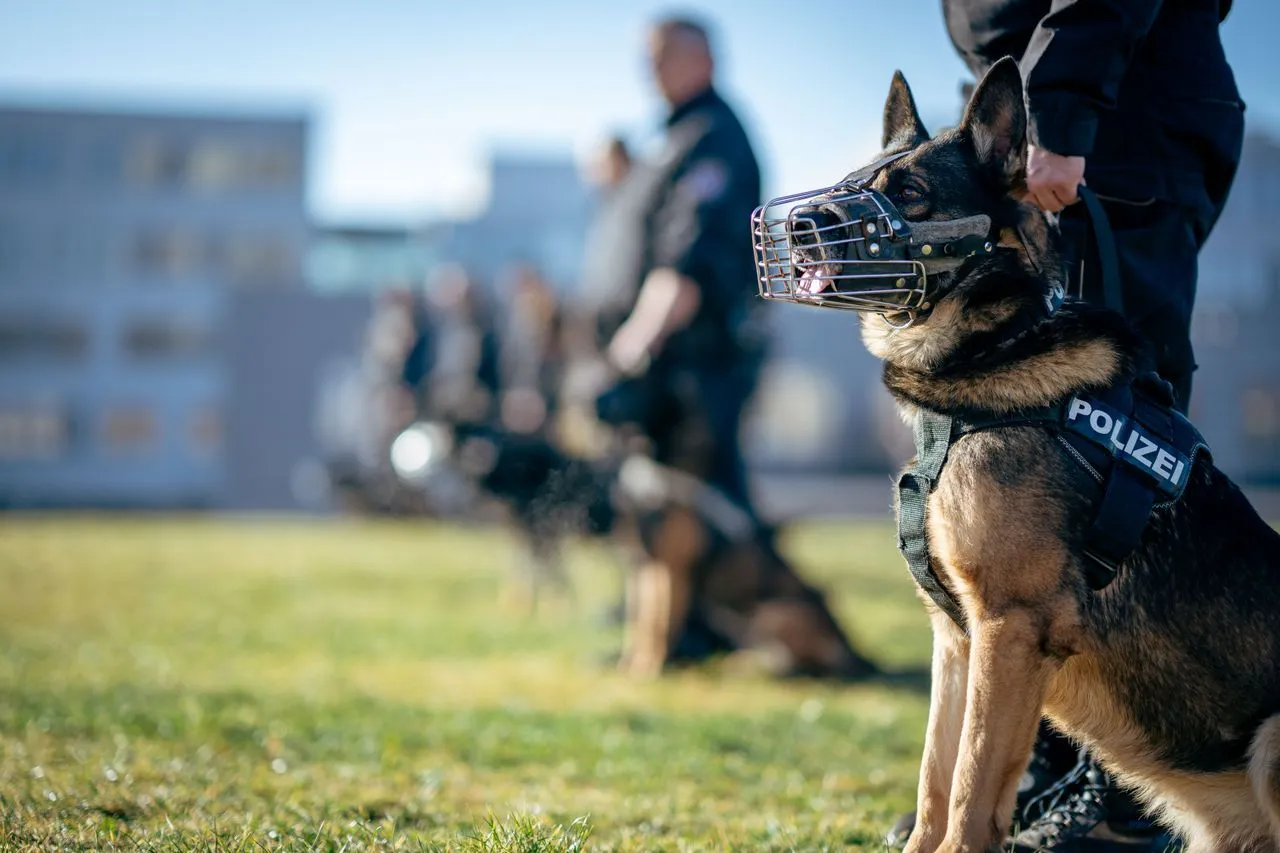
Patrol dogs are the line of defense for military units. Their main job is to protect people, areas, and catch threats. They often go on patrols with soldiers, acting as both a warning and active defenders.
These dogs are trained to:
- Respond to their handlers' commands.
- Notice suspicious behavior.
- Overpower intruders if necessary.
Common breeds include:
- Shepherd. Known for being strong, smart,t and versatile.
- Malinois. Faster, more agile, and often used in special operations.
- Doberman Pinscher. Valued for being alert and quick.
Detection Dogs (Explosives/Drugs)
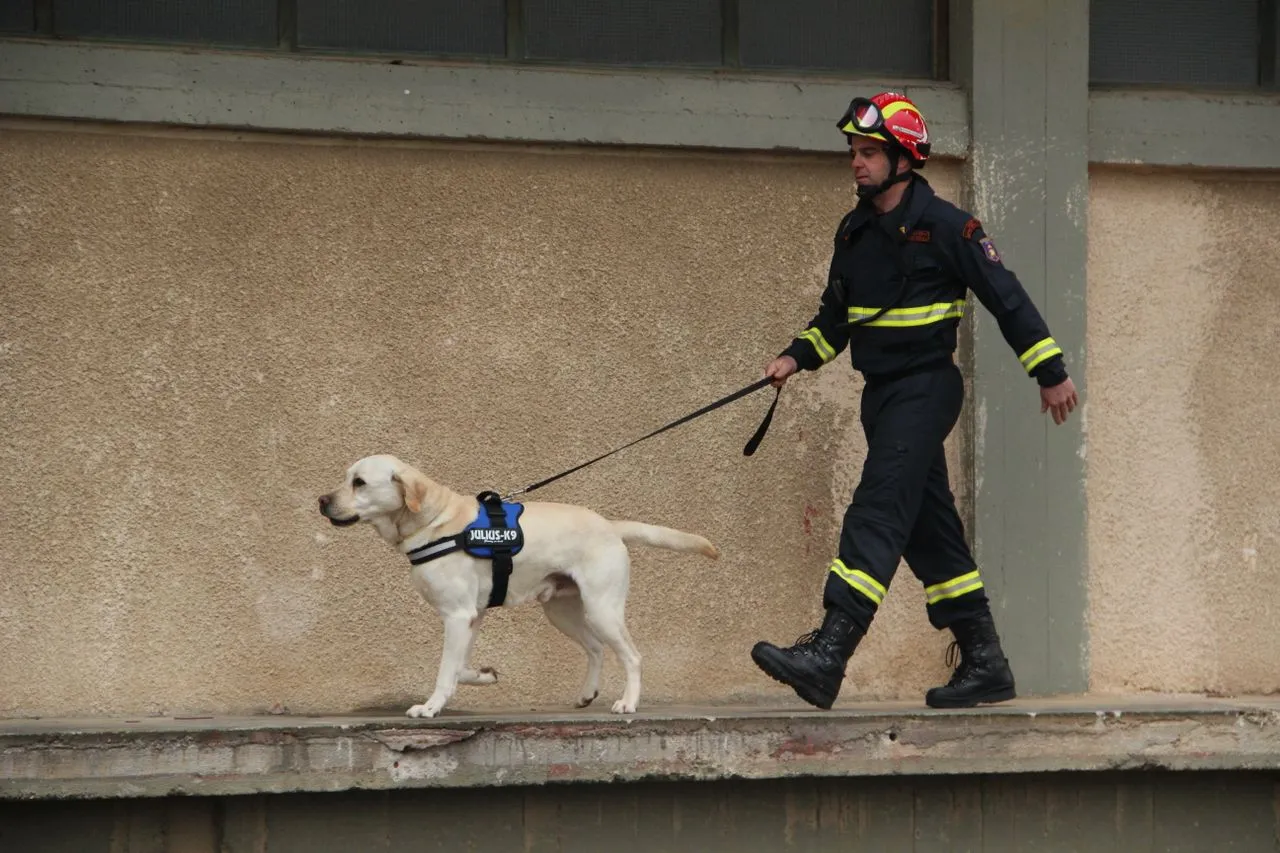
Detection dogs use their good sense of smell, which is much better than that of humans. They are trained to find smells even when hidden or masked. Their accuracy is often better than that of systems, making dogs for security essential for military and civilian security.
These dogs can:
- Find explosives buried underground.
- Identify drugs hidden in vehicles or luggage.
- Alert their handlers quietly without causing danger.
Common breeds include:
- Labrador Retriever. Friendly, focused, and good at following scents.
- Springer Spaniel. Good at searching small areas.
- Belgian Malinois. Good at both detection and tactical work.
Search & Rescue Dogs
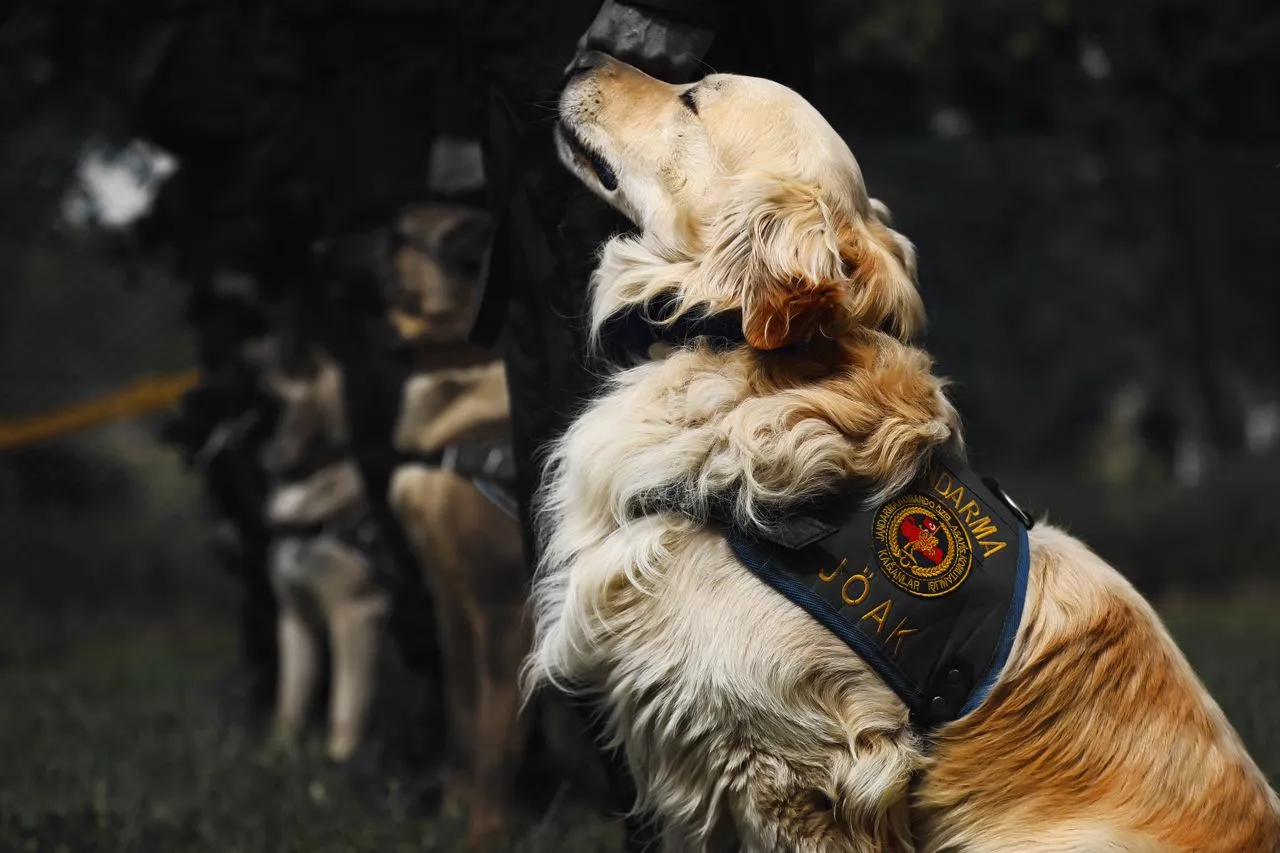
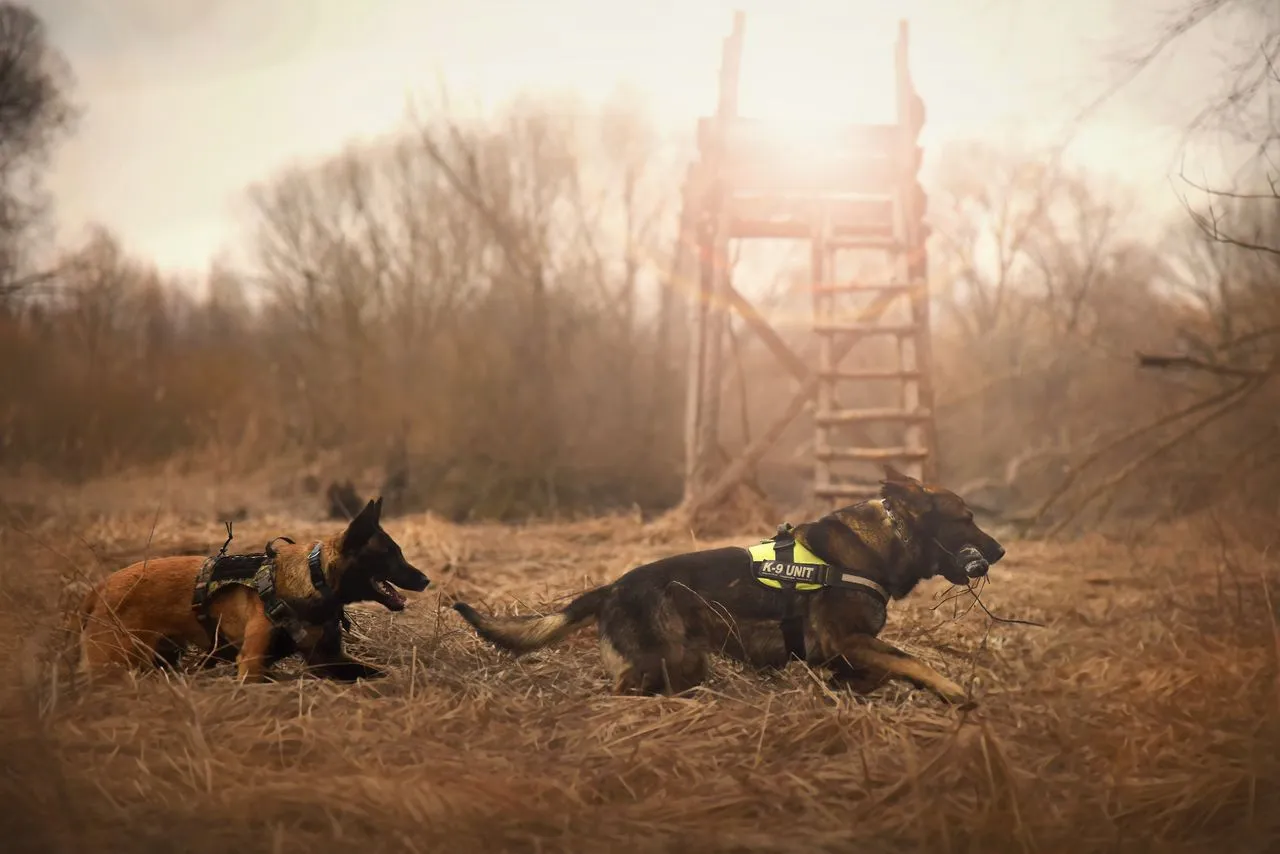
Search and rescue dogs are trained to find and save people in disasters and combat. Their work often happens in dangerous environments.
They can:
- Find survivors under rubble after explosions or earthquakes.
- Track missing soldiers or civilians.
- Cover large areas quickly using scent detection.
- These dogs play a role in both military missions and humanitarian efforts.
Common breeds include:
- Retriever. Gentle, smart, and cooperative.
- Border Collie. Extremely. Focused.
- Labrador Retriever. Reliable and adaptable in situations.
Scout / Tracker Dogs
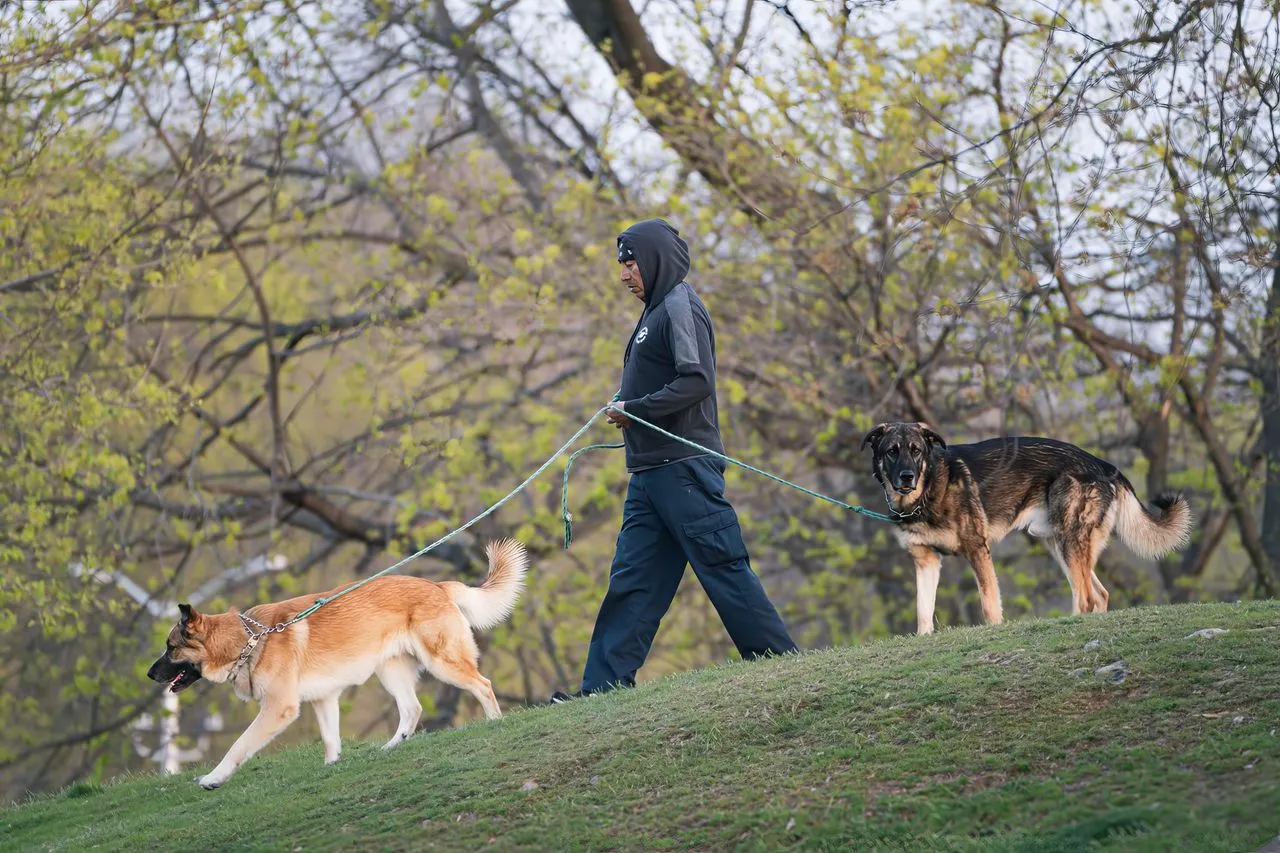
Scout and tracker dogs are like the eyes and nose of the battlefield. They are trained to follow scent trails and detect enemies. These dogs were especially important during conflicts like the Vietnam War, where it was hard for humans to detect enemies in the terrain.
Their responsibilities include:
- Tracking enemy movements over distances.
- Warning units of ambushes or hidden threats.
- Helping with reconnaissance missions.
Common breeds include:
- Bloodhound. Famous for its tracking ability.
- German Shepherd. Combines tracking with protection skills.
Why Are Dogs Used in the Military?
Well, we've faced this several times when our readers asked us why dogs are in the military. Look, dogs are used in the military because of their exceptional natural abilities that complement human soldiers.
One of the major advantages of dogs in the military is their sense of smell. They are so powerful in the sense that they are easily utilized in several types of government jobs. Scientific studies estimate that dogs’ olfactory systems are up to 100,000 times more sensitive than humans, enabling them to detect explosives, weapons, and even hidden enemies with high accuracy.
“A well-trained military dog can detect threats faster than any electronic system currently in use.”- U.S. Army Working Dog Training Instructor (generalized training doctrine).
Military working dogs (MWDs) are also faster and more agile than humans in certain terrains, which is why they become automatically capable of taking part in jobs like patrol, scouting, and search-and-rescue missions.
According to U.S. military canine experts, ‘Dogs often go where humans and machines cannot, providing an extra layer of security and awareness on the battlefield.’
What Qualities Make a Good Military Dog?
Well, we already discussed a bit about the features or qualities of military dogs. However, a good military dog must combine intelligence, strength, and emotional stability to perform effectively in high-risk environments.
Obviously, these dogs are trained to handle complex commands, work under pressure, and stay focused even in dangerous situations. They are trained in military canine training, which means the military dogs that have passed the training program are not only physically capable, but also they are mentally resilient.
As military dog trainer Mike Ritland explains, ‘The best military dogs are those that combine discipline with confidence-they are fearless but not reckless, and highly alert without losing control.’
Key qualities include:
- High intelligence: to quickly learn and follow complex commands.
- Strong sense of smell: for detecting explosives, drugs, or threats.
- Physical endurance: to work long hours in harsh conditions.
- Stable temperament: calm under stress but responsive when needed.
- Courage and confidence: able to face dangerous situations without hesitation.
- Trainability: willing to learn and obey handlers consistently.
- Strong bonding ability: builds trust and teamwork with the handler.
- Focus and discipline: stays alert and avoids distractions during missions.
“The best working dogs are not the most aggressive, but the most balanced, calm under pressure, yet highly responsive to command.” -Military Working Dog Behavioral Training Manual (DoD-based training principle).
How Do Military Dogs Help in the Military?
Supporting the profession is all about helping with the safety of the military, the efficiency of the military, and the operational success of the military. Military dogs play a role in making sure the military is safe and successful in its mission. Military dogs have a sense of smell that lets them find explosives, weapons, and narcotics much better than most machines, which helps stop attacks before they happen.
The military dogs are also used when the military is on patrol and in combat, where they can check out areas, track down bad people, and warn the troops about hidden dangers. The military dogs also help find missing soldiers or civilians when there are disasters.
The military dogs often work in places that're too dangerous for people. So the trained military dogs are like a team, which means they make a big difference in how well a unit works without needing more people.
The military dogs help in these ways:
- Explosive detection: The military dogs find bombs and hidden threats.
- Patrol and security: The dogs guard the military bases and watch out for suspicious activity.
- Tracking: The military dogs follow the enemy. Find missing people.
- Search and rescue: The dogs find people who are still alive after disasters or fights.
- Apprehension: The dogs help catch bad people safely.
- Early threat detection: The military dogs warn their handlers about danger before people notice it.
How Are Military Dogs Trained?
Dogs are not people. When some dogs are picked for a job in the military, they have to go through a lot of training. This training is very tough. It is meant for military jobs. The training is designed to get the dogs ready for fights and security situations.
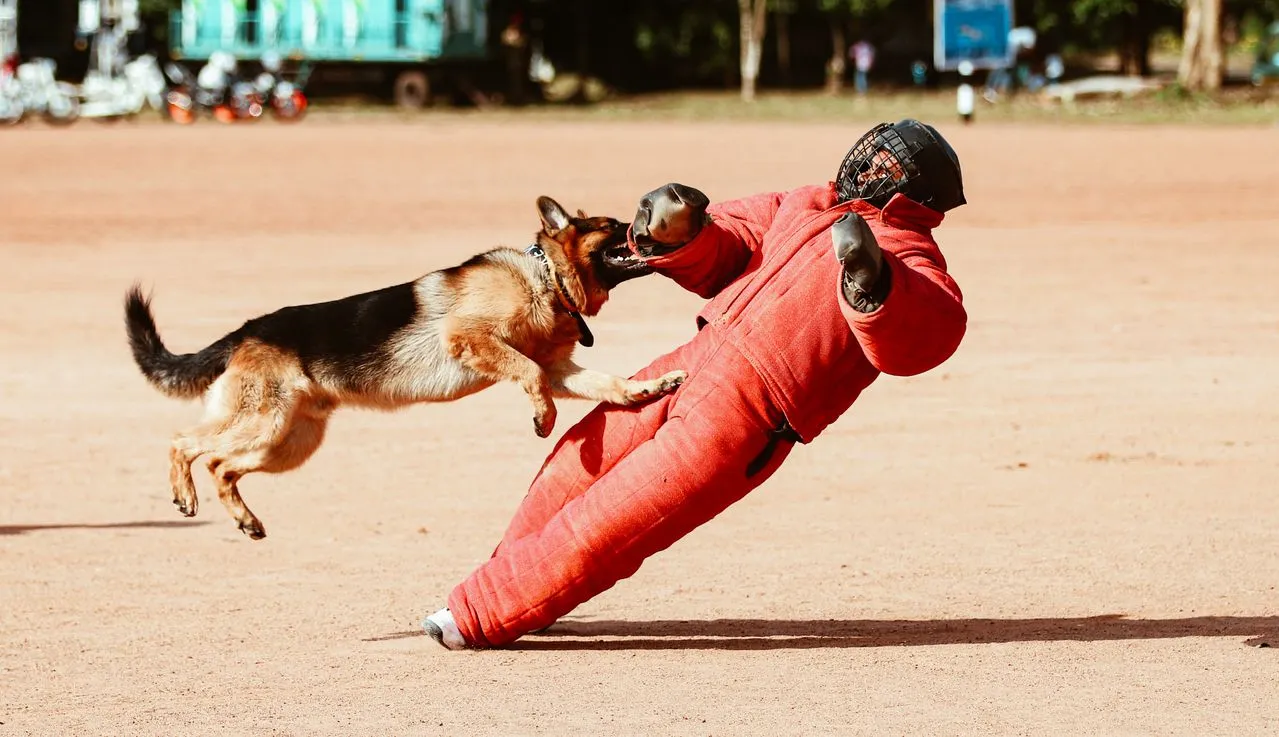
The main goal of this training is to teach the dogs to listen to their handlers. The training also helps the dogs become more confident and disciplined. It helps them work well with their handlers, too.
Military dog trainers say that the dogs need to be trained all the time, and they need to be exposed to life situations to become good military dogs. I think it is clear that even though these dogs are special, the trainers need to be patient with them. Sometimes they have to do the training many times.
Dogs are dogs, so they need to be treated in a way, even when they are in military training. When they do something, they should get a treat. This helps them learn faster.
Military Dog Training Process (Step-by-Step):
Selection: Dogs are picked based on their breed, health, and personality. They have to want to work.
Basic Obedience: The training starts with commands like sit, stay, and come. This helps the dogs learn to behave.
Specialized Training: The dogs learn to do jobs like find bombs or track people.
Real Mission Simulation: The dogs are exposed to noises and fake fights to get them ready for real missions.
Challenges Faced by Military Dogs
These military dogs are specially chosen dogs. Even so, the person who handles them during training might have a tough time, just like the military dogs do. Military dogs have to deal with a lot of emotional problems because their job is very hard. Even though they are trained, military dogs are still at risk of getting hurt like human soldiers are.
Key Challenges:
- Injuries: Risk of wounds from combat, rough terrain, or hazardous materials.
- Stress / PTSD: Exposure to intense environments can lead to anxiety or behavioral issues.
- Harsh Environments: Extreme heat, cold, and difficult terrain can affect their health and performance.
Medical Care, Maintenance, and Grooming of Military Dogs
Well, new people often think that military dogs get special care. That's kind of true. Military dogs need care to stay healthy, perform well,l and be ready for tough jobs.
The reason is that these dogs work in dangerous situations. So their healthcare and maintenance have to be way better than that of n pet dogs.
- They need medical care.
- They need to be groomed
- They need food and exercise.
All these things help military dogs stay healthy, focused, and ready for their jobs.
Medical Care of Military Dogs
Military dogs get checked by a veterinarian on a regular basis, and they get the healthcare they need to stay healthy while they are serving. The medical programs for dogs are made to find out if they have any injuries or illnesses or if they are feeling stressed, and these programs help find these problems early on, while military dogs are still in service.
Common medical care includes:
- Routine veterinary checkups.
- Vaccinations and parasite prevention.
- Dental care and oral hygiene.
- Joint and muscle health monitoring.
- Injury treatment and rehabilitation.
- Heat stress and hydration management.
Because military dogs are highly active, they are also monitored for orthopedic issues, paw injuries, and fatigue-related conditions. According to the United States Department of Defense, ‘’military working dogs receive medical care standards comparable to those of elite tactical units due to their operational importance.’’
So it's sort of like this proverb, they are doing some special job, so taking some special care as well.
Maintenance and Daily Conditioning
Maintenance of military dogs means regularly taking care of them. Both their physical and mental health depend on structural maintenance, which is why the owner should properly focus on this. Unlike other family dogs or ordinary dogs, military dogs need a distinct type of maintenance and daily care. Even professional care is needed here.
Daily maintenance includes:
- Physical exercise and endurance training.
- Obedience reinforcement sessions.
- Tactical simulation exercises.
- Balanced high-protein nutrition.
- Hydration management during missions.
- Rest and recovery periods.
Grooming Requirements of Military Dogs
Proper dog grooming is important not only for hygiene but also for operational performance. Clean and healthy dogs are less likely to develop skin infections, overheating issues, or mobility problems. Military dogs sometimes have to work in rough areas, so they need more professional care to ensure their good health.
Grooming routines commonly include:
- Regular brushing to remove dirt and loose fur.
- Nail trimming to prevent movement discomfort.
- Ear cleaning to reduce infection risk.
- Paw inspection after field operations.
- Bathing when necessary, using safe canine products.
Special attention is often given to paw care because military dogs frequently operate on rough terrain, hot surfaces, and challenging environments.
Protective Equipment and Modern Care
Modern military dogs are often equipped with advanced protective gear to improve safety during operations. This advanced equipment helps reduce injury risk while improving mission effectiveness for your military dogs.
Common equipment includes:
- Tactical body armor.
- Protective eye gear.
- Cooling vests in hot climates.
- GPS and camera systems.
- Specialized transport equipment.
Cost of Training a Military Dog
Certainly, the cost of military dogs is higher compared with other dogs. The main cost increases due to high technical training! Training the dog requires specialized skills and long training periods. So, on average, the total cost ranges between $20,000 and $60,000+ per dog, depending on role and level of training. Highly specialized dogs (like explosive detection or special forces) can cost even more.
Training Expenses:
- Basic obedience training: $2,000 - $5,000.
- Advanced detection/combat training: $10,000 - $25,000.
- Ongoing evaluation & skill upgrades: $2,000 - $5,000/year.
Equipment Costs:
- Protective gear (vests, boots, harness): $1,000 - $3,000.
- Detection tools & training kits: $2,000 - $5,000.
- Transport & handling equipment: $1,000 - $3,000.
Time Investment (Value Estimate):
- 6-12+ months of training (labor + facilities): $5,000 - $20,000.
- Ongoing training during service: $3,000 - $10,000/year.
Total Estimated Cost:
- Standard military dog: $20,000 - $40,000.
- Highly specialized dog: $40,000 - $60,000+
Common Myths About Military Dogs
Among common people, there are a few myths about military dogs. As we are addressing all these as myths, they do not have any practical identity or real-life value. I mean, they are myths only, like ordinary people believe in the myth that military people are too aggressive, so we know in tactical life it is not true.
Sometimes the job role forces the employees to become a bit moody, but that doesn't mean they are aggressive; they're just moody.
However, similarly, there are many misconceptions about military dogs, often influenced by movies and media. In reality, these dogs are highly trained professionals, not aggressive animals.
Common Myths:
- They are naturally aggressive dogs - False; they are trained to be controlled and obedient.
- Any dog can be a military dog - Never, like humans, dogs also need to pass a military exam (lol!). However, only specific breeds with the right traits are selected.
- They always attack! - Certainly not! Most are trained for detection, not combat.
- They are treated like equipment. Don't be so silly! How could an animal be treated like equipment? In fact, military dogs also receive medical care, training, and respect.
Final Thoughts
As stated by the U.S. Department of Defense, “Military working dogs provide unmatched sensory capabilities that enhance force protection and operational effectiveness.”
Military dogs are one of the most non-human assets in today's defence system! These dogs can detect threats, support soldiers, and operate in extreme environments, which altogether makes them irreplaceable in many missions! So with highly specialized training and strong handler bonds, they significantly increase mission success and reduce risks to human soldiers.
So what's more? Advancements in today's training and technology have made military dogs even more efficient, even more capable! And gradually, they become the essential partners in both combat and humanitarian operations. Not only that, their contribution continues even after retirement, as many live peaceful lives with their handlers or adoptive families!
Anymore asking about the military dog today? If so, pls let me know!
Reference:
- United States Department of Defense. (2023). Military working dogs: Roles, selection, and operational use. https://www.defense.gov
- United States Army. (2021). Military working dog program (FM 3-19.17). Department of the Army. https://armypubs.army.mil
- North Atlantic Treaty Organization. (2022). NATO military working dog standards and training guidelines. https://www.nato.int
- U.S. Air Force Security Forces Center. (2020). Military working dog training and employment manual. https://www.af.mil
- Voelker, J. (2020). Canine olfactory detection capabilities in military operations. Journal of Military Working Dogs, 12(3), 45–58.
- Sinn, D. L., Gosling, S. D., & Hill, J. E. (2010). Personality and performance in working dogs. Applied Animal Behaviour Science, 123(3–4), 59–69.
- Cooke, B. K. (2019). The use of detection dogs in modern security operations. Security Journal, 32(2), 115–130.
- U.S. Department of Defense. (2022). Care and retirement of military working dogs. https://www.war.gov/News/Press-Products/Reports/

Categories
- All Post

- Lost & Found Pet Tips
- Pet Behavior
- Pet Training
- Pet Food
- Pet Health
- Pet Care
- Pet Safety
- Others


 Pawmaw




Get Your Pet Back Home
Over 10 million dogs and cats are lost or stolen every year. You can report your missing pets with PawMaw.




 Pawmaw
Top 10 Military Dog Breeds: Working Dogs in the Military!
Learn what military dog breeds are, why they are selected for defense work, and which breeds are commonly used in military and tactical operations.
 Pawmaw
Top 10 Best Dogs for Security (2026 Research-Based Guide)
Get the top 10 security dogs for 2026 based on bite strength, intelligence, loyalty, and protective instincts. Find the best breed for home, personal,...
 Pawmaw
Top 5 Sporting Dogs for Families | Friendly & Active Breeds
Looking for the best sporting dogs for families? Discover the most loyal, energetic, and family-friendly breeds like Retrievers, Spaniels, Setters, an...
Share:


Leave a Reply
Get Your Pet Back Home
Over 10 million dogs and cats are lost or stolen every year. You can report your missing pets with PawMaw. We can notify thousands nearby within a minute.


PawMaw is actively helping to search for your lost pets in your local area. Report your lost/found pets here and send a free alert instantly.